
Japanese logo design built around language, meaning, and use
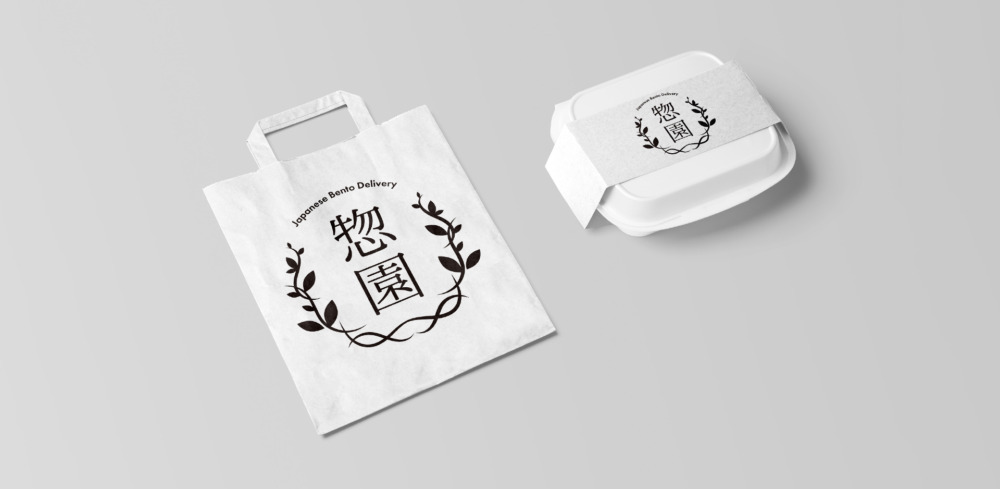
A Japanese logo should do more than place attractive characters beside a brand name. The wording must be natural, the script must suit the intended tone, and the mark must remain identifiable across real applications. A character chosen only for its shape can introduce an unintended meaning or reading; a highly decorative wordmark can become difficult to use at small sizes.
ASOBOAD creates original Japanese logos with native designers in Japan. We work with kanji, hiragana, katakana, Latin lettering, and bilingual combinations, considering language and cultural context alongside hierarchy, legibility, reproduction, and long-term brand use.
Japanese scripts are not interchangeable styles
Kanji can carry compact layers of meaning, hiragana can feel softer and more familiar, and katakana can create a sharper or more contemporary rhythm. The correct choice depends on the approved name, pronunciation, audience, category, and market—not simply on which characters look most Japanese.
Designed for Japanese and international audiences
When a brand needs to work across markets, we can organize Japanese and Latin-alphabet names into a clear system. The Japanese lettering may lead while a romanized name supports pronunciation, or the emphasis may change by application. The goal is consistent recognition rather than forcing both scripts to behave identically.
What the logo design service can include
The exact scope is confirmed in the estimate. Depending on the project, the work may include:
- An original Japanese wordmark, symbol, or combined logo
- Kanji, hiragana, katakana, or bilingual lettering
- Horizontal, vertical, compact, and symbol-led arrangements where required
- Primary, reversed, and one-color versions
- Color specifications and basic clear-space guidance
- Production-ready vector data and agreed reference files
The number of initial directions, revision rounds, logo variations, and supporting guidelines is stated before work begins. A complete visual identity system, naming project, or extensive brand manual can be discussed separately when the project requires more than a core logo.
Custom lettering and symbol development
Some projects begin with a suitable type category that is then carefully adjusted; others require lettering drawn specifically for the name. Symbols may grow from the brand story, a product characteristic, a meaningful character, or an application need. We avoid adding unrelated Japanese motifs simply to create atmosphere.
Language and cultural checks within the design
When Japanese wording is part of the mark, we review meaning, likely reading, tone, and the relationship between the Japanese and English forms. If the approved name is still undecided, naming or copy development must be defined as a separate scope rather than assumed to be included in logo production.
This design review is not a formal trademark search or legal opinion. Trademark availability and registration should be confirmed with an appropriately qualified professional in the relevant country.
Final design files
After approval and payment, we prepare the formats agreed for the intended uses. These commonly include scalable vector artwork for professional production and raster reference files for everyday digital use. Exact formats, color modes, and version requirements are confirmed before the project starts.
Our Japanese logo design process

1. Share the brief and approved name
Tell us about the business, audience, markets, competitors, preferred tone, schedule, and budget range. Provide the approved spelling, pronunciation, meaning, required languages, existing brand assets, and examples of what the identity should avoid.
2. Confirm scope, estimate, and schedule
We review the materials and identify the required logo types, applications, deliverables, initial proposals, and revision scope. We then provide a written estimate and expected schedule. Work begins after the scope and payment terms are accepted.
3. Develop and explain the design direction
We create the agreed proposal and present it digitally. The presentation explains the role of the script, character structure, symbolism, typography, color, and intended applications so feedback can address the design as a system rather than as an isolated image.
4. Refine, approve, and deliver
Feedback is incorporated within the agreed revision rounds. Before delivery, we check the approved mark in its required versions and prepare the final files. Additional directions, major changes to the name, or applications outside the original scope are estimated separately.
What to prepare before requesting an estimate
Brand and audience information
Explain what the business offers, who it serves, where the logo will be used, and what should make it distinct from competitors. Descriptions such as premium, friendly, traditional, or modern are more useful when supported by audience, price point, environment, and reference examples.
The exact name and pronunciation
Provide the official spelling in every required language. If the Japanese rendering has not been approved, state that clearly. A machine-translated name should not be treated as final source text without review.
Required applications
List signs, packaging, uniforms, stationery, websites, social profiles, vehicles, merchandise, or other important uses. Include the smallest expected reproduction size and any production limitations. A logo intended for embroidery or engraving may need different detail from one used primarily on screens.
Designing for practical brand applications
Small-size legibility
Fine brush texture and complex kanji can lose clarity when reduced. We test the logo at realistic sizes and may recommend a simplified version for icons, stamps, or narrow spaces. A visually impressive presentation is not enough if the mark fails in everyday use.
One-color and reversed use
The identity should remain recognizable when color is unavailable. Black, white, and limited-color versions support receipts, uniforms, engraving, inexpensive printing, and dark backgrounds. These tests also reveal whether the structure depends too heavily on effects.
Horizontal and vertical arrangements
Japanese lettering can work in both orientations, but the layouts must be composed separately. A vertical version should not be an automatic rotation of the horizontal mark. The estimate will identify which arrangements are required for the project.
Frequently asked questions

Can you create a logo if I do not speak Japanese?
Yes. Project communication can be handled in English by email. Please explain the meaning and pronunciation you want the name to communicate. We will identify language or cultural issues within the agreed design scope and explain the reasoning behind the proposed direction.
Can you convert my English brand name into kanji?
Sometimes a meaningful kanji direction is possible, but it is not a mechanical conversion. Sound, meaning, reading difficulty, and cultural associations must be considered. In other cases, katakana, hiragana, or a bilingual system may be more natural. Naming work must be included explicitly in the project scope.
How much does a Japanese logo cost?
Pricing depends on the number of proposals, revision rounds, required languages, logo arrangements, supporting guidelines, schedule, and whether naming or additional identity work is needed. We provide a project-specific estimate before design begins.
How long does the project take?
A typical schedule is measured in weeks rather than days, but the actual timing depends on complexity, feedback speed, naming status, and the agreed deliverables. We confirm the expected schedule with the estimate and identify any deadline constraints at the start.
Can you revise an existing Japanese logo?
Yes, when the existing artwork and usage rights can be confirmed. We can review legibility, script choice, bilingual balance, reproduction, and consistency, then define whether the project is a refinement, redraw, or broader redesign.
Will I own the final logo?
Usage and rights are governed by the accepted estimate and ASOBOAD terms. Third-party fonts, stock materials, or other licensed assets may remain subject to their own conditions. Any special assignment or licensing requirement should be discussed before work begins.
Learn the principles and explore examples
Use the guide to understand script choice, meaning, typography, and real-world application. Then review the portfolio to see how different logo concepts balance Japanese character with practical brand use.