
Japanese design services for international businesses

Japanese design is not one fixed visual style. It can be quiet or energetic, traditional or contemporary, highly detailed or deliberately restrained. What makes a direction credible is the relationship between language, audience, cultural context, brand strategy, and practical use.
ASOBOAD is operated by AMIX, an independent design studio in Osaka. We support overseas businesses with Japanese logo design, package design, and native language or cultural review. Communication can be handled in English by email, allowing teams around the world to work directly with designers in Japan.
Design that goes beyond surface decoration
Adding kanji, a red circle, brush texture, or a traditional pattern does not automatically make a design appropriate for Japan. We consider what the words mean, how Japanese readers understand them, why a cultural reference belongs to the brand, and whether the visual system works in its intended market.
Support for new projects and work already in progress
You can commission a complete design or ask us to review Japanese-facing artwork created by another team. The appropriate starting point depends on whether the core identity still needs to be created, a package needs production-ready graphics, or an existing design needs native review before release.
Choose the service that matches your project
Japanese logo design
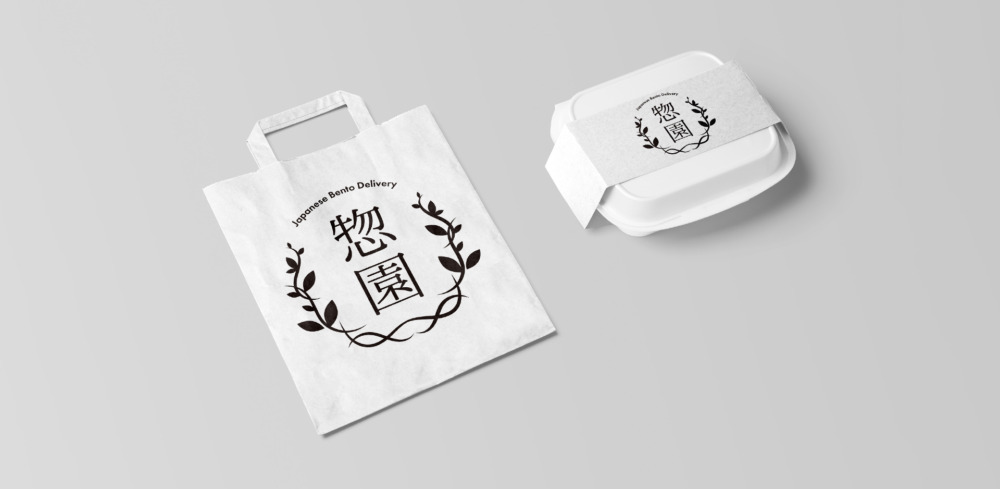
We create original wordmarks, symbols, and bilingual logo systems using kanji, hiragana, katakana, and Latin lettering. Meaning, pronunciation, script choice, legibility, one-color use, and real applications are considered together.
This service is suitable when the brand needs a new Japanese identity, a Japanese-market logo variation, or a more coherent relationship between Japanese and international naming.
Japanese package design
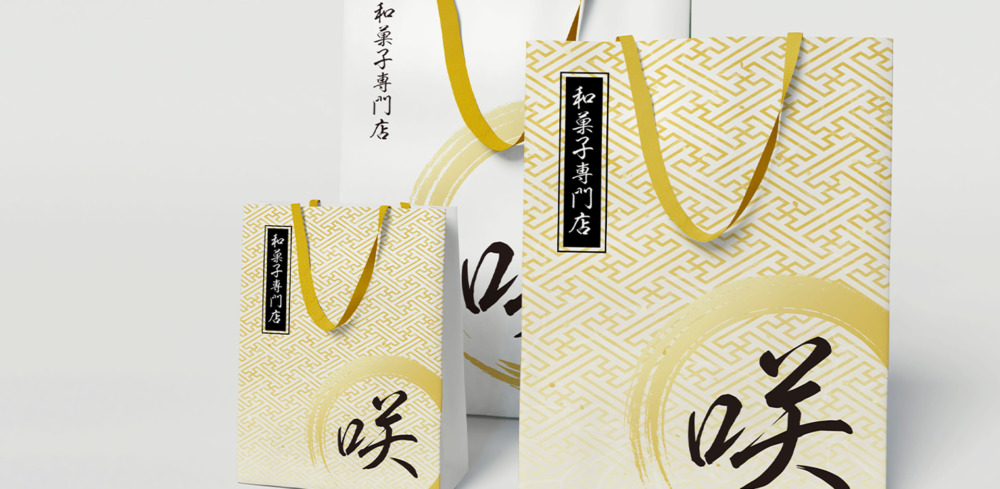
We design packaging graphics and labels that organize product information, express the brand, and respond to the approved production format. Japanese language, typography, color, imagery, materials, shelf presence, and bilingual hierarchy are developed as one system.
Our scope covers graphic design applied to an approved package structure. Dieline engineering, manufacturing, regulatory certification, and product claims remain outside the standard service unless separately stated.
Japanese language and cultural review

We review existing artwork before it is published or produced. The review can address Japanese wording, script choice, typography, line breaks, bilingual hierarchy, symbols, color, religious elements, and other cultural references as they appear in the actual design.
This is a focused design and language review rather than legal, trademark, regulatory, or medical approval. Translation, rewriting, and redesign are included only when they are explicitly defined in the estimate.
How to decide which support you need
Start with logo design when the identity is not yet established
If the Japanese name, wordmark, symbol, or bilingual lockup still needs to be created, begin with the logo service. Provide the approved name, pronunciation, intended meaning, audience, markets, and required applications.
Start with package design when the product and production format are known
If a manufacturer has supplied an approved dieline and the product information is available, package design can organize the visual system for the actual container. When the structure is still undecided, confirm it with the manufacturer before final artwork begins.
Choose review when a design already exists
If an internal or external team has already created the artwork, native review can identify issues before launch. Send the latest layout, selectable Japanese text, intended audience, medium, and the elements that can still be changed.
Combine services when one decision affects another
A package may require a Japanese logo before the label can be finalized, and a broader campaign may need review after the core design is approved. We can separate the work into clear phases so the estimate and responsibilities remain understandable.
What culturally informed design means to us
Language first
Japanese characters are not abstract symbols. Their meaning, reading, and tone affect the brand. Machine translation or phonetic conversion may be a useful starting point, but public-facing names and messages require native evaluation.
References with a reason
Traditional patterns, seasonal imagery, calligraphy, craft materials, popular culture, and regional motifs can all be relevant. We ask why a reference belongs to the product and audience rather than treating familiar Japanese elements as interchangeable decoration.
Clarity across languages
Japanese and English do not need to look identical to belong to one brand. We define which language leads, how names correspond, and how typography remains readable for each audience. This is especially important on packaging, signs, and digital interfaces where space is limited.
Practical production and use
A concept must survive final size, print conditions, materials, screens, signage, and repeated use. We test hierarchy, contrast, detail, and file requirements according to the intended applications rather than judging only a large mockup.
Selected examples of Japanese visual communication
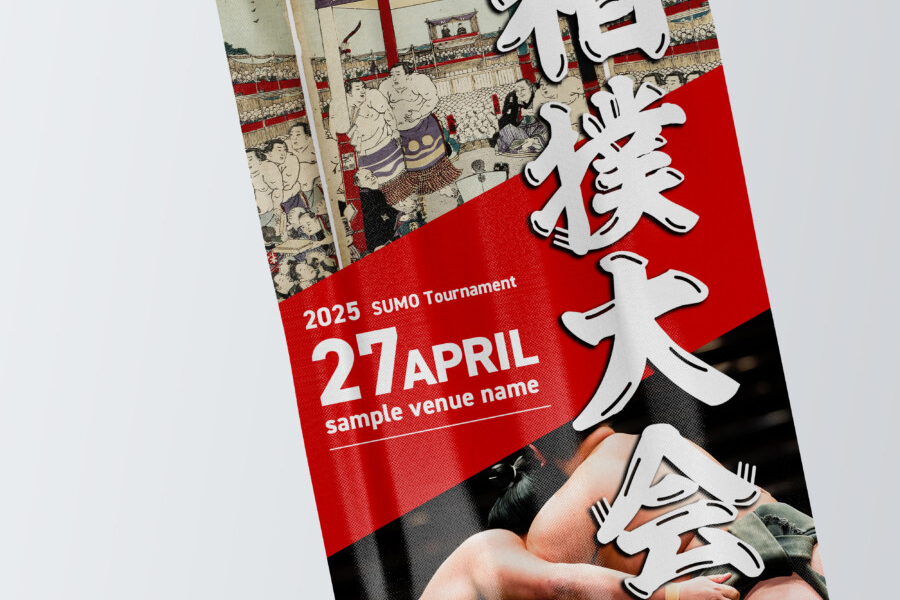
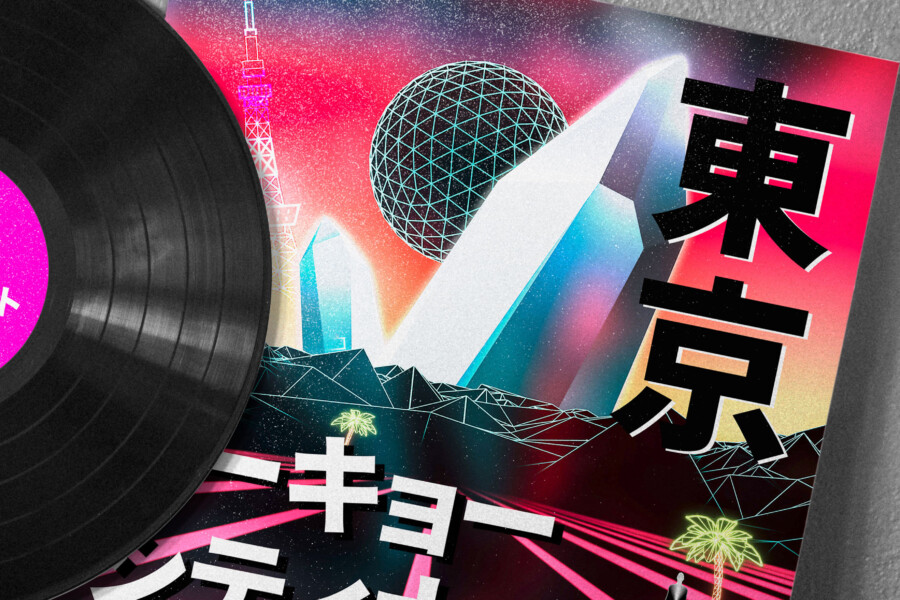
These examples show that Japanese character can come from very different design decisions. A sporting poster may need scale, energy, and immediate information, while a record cover can use more expressive typography and atmosphere. The audience and purpose determine which cultural and graphic references are useful.
Working with ASOBOAD from outside Japan
English communication by email
Project requirements, estimates, presentations, and feedback can be exchanged in English. Email-based communication creates a written record and makes collaboration practical across time zones.
Digital presentations and file delivery
Design proposals are shared digitally for review. Final formats are agreed according to the application and production workflow. International clients normally receive design data rather than physical printed materials.
Project-specific estimates
Cost and timing depend on scope, source materials, proposals, revisions, languages, deliverables, and schedule. We review the actual request before providing an estimate and identify what is included before work begins.
What to include in your inquiry
- Business, product, or organization overview
- Target audience and countries or regions of use
- Required design item and intended applications
- Approved names, wording, pronunciation, and languages
- Existing logos, artwork, dielines, and brand guidelines
- Preferred schedule and budget range
- References and examples of directions to avoid
You do not need a perfect brief before contacting us. If important details are still undecided, identify them so we can explain what must be confirmed before estimating or beginning design.