
Japanese aesthetics in package design
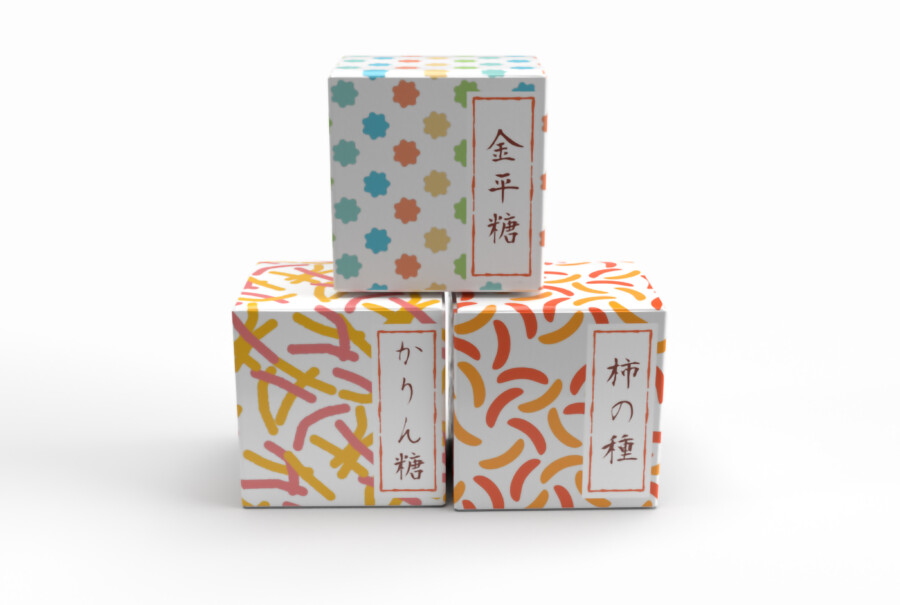
Japanese package design is often associated with simplicity, fine materials, and careful presentation. Those qualities are important, but they do not describe one fixed style. Packaging in Japan ranges from quiet and traditional to bold, playful, highly illustrated, or technologically sophisticated.
The useful question is not “How can this look more Japanese?” but “Which Japanese references are relevant to this product, audience, and story?” This guide introduces practical ways to build an informed direction while keeping the package clear, usable, and suitable for production.
At a glance
- Use restraint to establish hierarchy, not to remove necessary information.
- Choose Japanese colors, materials, scripts, and motifs for a reason—not as interchangeable decoration.
- Consider touch, opening, storage, and disposal alongside shelf appearance.
- Design a system that remains consistent across languages, sizes, and SKUs.
- Confirm production constraints early and test the design at actual size.
1. What Japanese aesthetics can mean
Japanese visual culture includes many traditions, regions, and contemporary movements. Minimalism is only one part of it. A useful design direction may draw from seasonal awareness, craft techniques, urban graphics, popular culture, local patterns, ceremonial presentation, or the visual language of a particular product category.
Restraint and ma
Ma is often translated as space, interval, or pause. In graphic design, it can be understood as the deliberate relationship between elements rather than simply empty space. A restrained layout gives the product name, key message, and imagery room to establish a clear order.
Restraint should not make essential information difficult to find. The goal is controlled emphasis: fewer competing elements, purposeful alignment, and enough contrast for the hierarchy to remain legible.
Nature and seasonality
Seasonal colors, plants, weather, landscapes, and ingredients appear frequently in Japanese packaging. They can communicate freshness, origin, limited availability, or a connection to a particular time of year. The reference works best when it belongs to the product story rather than being added only to create atmosphere.
Craft and material presence
Washi, wood, bamboo, fabric, ceramics, lacquer, and metalwork can provide meaningful references, but the material itself is not a shortcut to authenticity. Consider its source, cost, durability, printability, and relevance. A printed texture that respectfully references a craft may sometimes be more practical than using the craft material directly.
2. Color, typography, and symbols
Using color with context
Indigo, vermilion, matcha green, sumi black, warm neutrals, and subdued seasonal palettes are often associated with Japanese design. Each can suggest a different mood, category, or period. Avoid treating them as a universal Japanese palette. Start with the brand and product position, then choose colors that support recognition, differentiation, and readability.
Always evaluate color on the intended substrate. Uncoated paper, metallic film, transparent labels, and textured stocks can produce very different results from a screen preview.
Japanese scripts and bilingual hierarchy
Kanji, hiragana, and katakana have different visual density and cultural associations. They should be selected for meaning and readability, not only for shape. When Japanese and English appear together, decide which language leads, how names correspond, and how the two systems align without forcing them into identical typographic behavior.
Small Japanese text can become dense quickly, especially in ingredients, instructions, or legal copy. Test the final layout at actual size and confirm that the approved wording remains readable after printing.
Motifs, crests, and patterns
Seigaiha waves, asanoha hemp leaves, family-crest geometry, flowers, animals, and calligraphic marks can carry strong associations. Research the meaning and origin before use. One well-chosen motif is usually more convincing than several unrelated symbols competing on the same package.
3. Materials and production decisions
Design for the actual package
A flat artwork file is only one stage of packaging. Folds, seams, curves, caps, transparent areas, adhesive zones, and viewing angles all affect the finished result. Important text and visual elements must stay clear of production tolerances and structural interruptions.
Obtain the approved dieline from the manufacturer before final artwork begins. If the structure changes later, the composition may need to be rebuilt rather than simply resized.
Texture and finishing
Foil, embossing, debossing, varnish, textured paper, and specialty inks can add distinction, but each finish should reinforce the idea. A subtle tactile detail may be more effective than several premium finishes used at once. Ask the printer for samples and limitations early.
Sustainability without vague claims
Reducing material, improving recyclability, using certified paper, and designing reusable formats can all be valuable. The best choice depends on the product’s protection requirements and local disposal systems. Avoid environmental claims that cannot be supported by the material specification or supply chain.
4. Category-specific examples
Wagashi and gift confectionery
Traditional confectionery often uses seasonal imagery, layered wrapping, restrained color, and materials that make opening feel ceremonial. The package may need to communicate both freshness and gift value. Individual wrapping, allergen information, and product visibility must still be organized clearly.
Tea, sake, and specialty beverages
Tea and sake packaging frequently combines provenance with ritual. Calligraphy, maker seals, textured papers, bottle forms, and regional references can establish character. For international audiences, clear product naming and explanatory English may be necessary so the story is accessible rather than merely atmospheric.
Cosmetics and lifestyle products
Japanese-inspired cosmetics packaging can range from botanical and understated to clinical and modern. Ingredient information, product function, and variant recognition need a disciplined system, particularly when several items share similar containers.
Contemporary hybrids
Traditional references can coexist with modern typography, bright color, illustration, photography, or digital interaction. The strongest hybrid designs create a clear relationship between old and new instead of placing an isolated traditional motif on an otherwise unrelated layout.
5. Building a coherent design direction
Research the product and cultural reference
Define the product’s origin, audience, price point, competitors, sales environment, and reason for using a Japanese reference. If the concept draws from a region, craft, festival, or historical style, verify the context and identify which visual details are genuinely relevant.
Establish the information hierarchy
List everything the package must communicate, then rank it. Product name, variant, key benefit, quantity, instructions, and required statements should not all compete at the same level. A clear hierarchy makes both expressive and minimal designs easier to understand.
Create a system for multiple SKUs
Define which elements stay fixed and which change across flavors, sizes, or products. A repeatable grid, type system, color logic, and image treatment allow the range to feel connected while each item remains identifiable.
Prototype and test
Print the artwork at actual size, wrap it around a mock structure, and view it from normal shopping distance. Check small text, barcode placement, seams, color contrast, and how the package sits beside competing products. Screen-only review cannot reveal every production or usability issue.
6. Common mistakes to avoid
- Using Japanese characters for shape alone: incorrect or awkward wording can undermine trust.
- Combining unrelated cultural motifs: more symbols do not create more authenticity.
- Equating Japanese design only with minimalism: the category and audience may call for energy, warmth, or visual density.
- Prioritizing atmosphere over readability: product information must remain clear at the final printed size.
- Designing before production details are fixed: an unapproved dieline or material can cause extensive rework.
- Making unsupported sustainability claims: environmental language should match verifiable specifications.
7. Preparing a brief for a designer in Japan
A useful brief includes the product description, target customer, country of sale, retail environment, price range, launch date, competitors, preferred tone, and examples of what the brand wants to avoid. Supply the approved dieline, dimensions, logos, barcodes, mandatory copy, and brand guidelines at the same time.
If bilingual content is required, indicate which language is primary and provide approved translations. The designer can organize and visually balance the supplied text, but product claims, legal statements, ingredients, warnings, and regulatory compliance remain the client’s responsibility.
Conclusion
Effective Japanese package design does not depend on adding more obvious symbols. It comes from understanding the product, choosing cultural references with care, building a clear information hierarchy, and carrying the idea through materials and production constraints. When those decisions work together, the package can feel distinctive, credible, and useful in both Japanese and international markets.
Please note: ASOBOAD provides packaging graphic design. Structural engineering, dieline development, manufacturing, and regulatory certification are not included.