
A sushi identity balancing strength with approachability
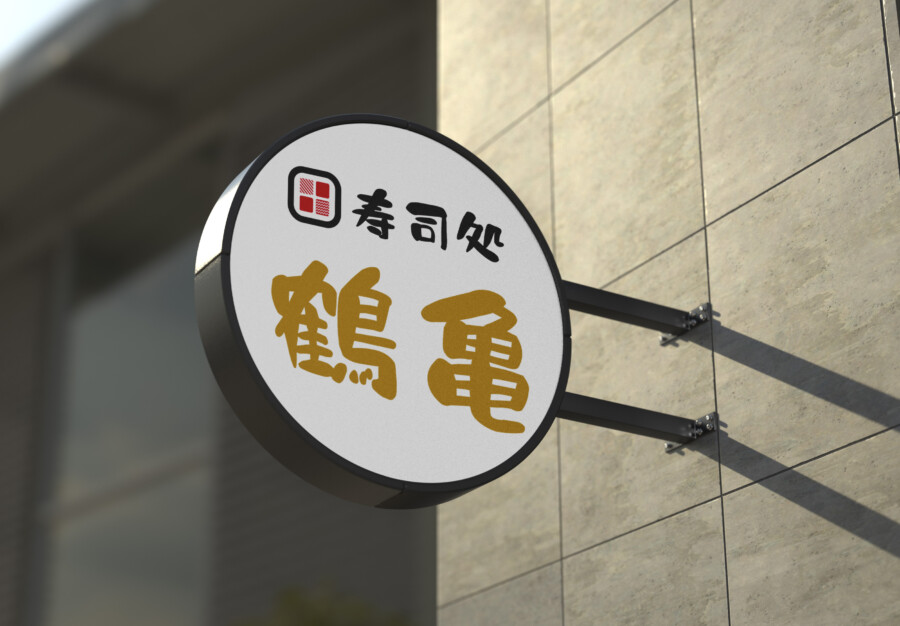
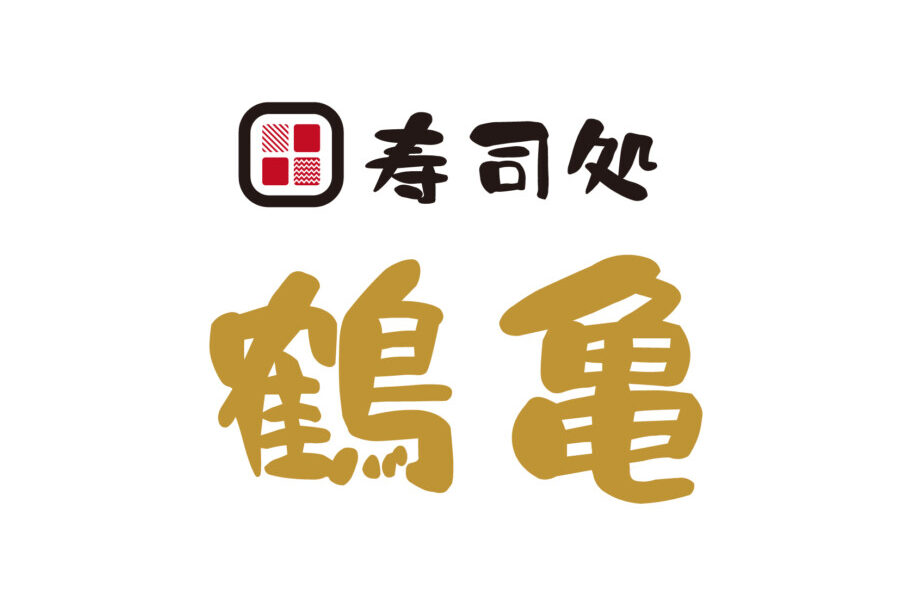
This conceptual logo was designed for a sushi restaurant named 鶴亀, Tsurukame. The substantial custom name provides the main visual weight, while a small geometric emblem and softer category lettering keep the composition from becoming overly formal.
The result is intended for a restaurant that respects traditional craft but welcomes a broad contemporary audience.
A muted-gold name creates presence without glare
The custom kanji use thick, stable forms suited to exterior signs. A mustard or old-gold tone gives the name warmth and distinction, but feels calmer than bright metallic gold.
Rounded category text lowers the visual threshold
寿司処, meaning sushi place, appears in a softer typeface above the name. It identifies the category clearly and introduces a friendlier tone beside the substantial main lettering.
A compact emblem gives the restaurant a second signature
The upper-left symbol is divided into four patterned sections. It functions as a contemporary emblem that can be used independently when the full Japanese name is too wide or detailed.
Geometric pattern avoids a literal sushi illustration
Wave-like and parallel lines can suggest sea, cutting, or layered ingredients, but the mark remains intentionally abstract. This gives it a wider range of applications than a pictorial fish or sushi icon.
A single red section creates a focal point
One quadrant is red while the rest of the identity uses black and muted gold. The small accent increases recognition and may suggest ingredients such as tuna, but it does not depend on one literal reading.
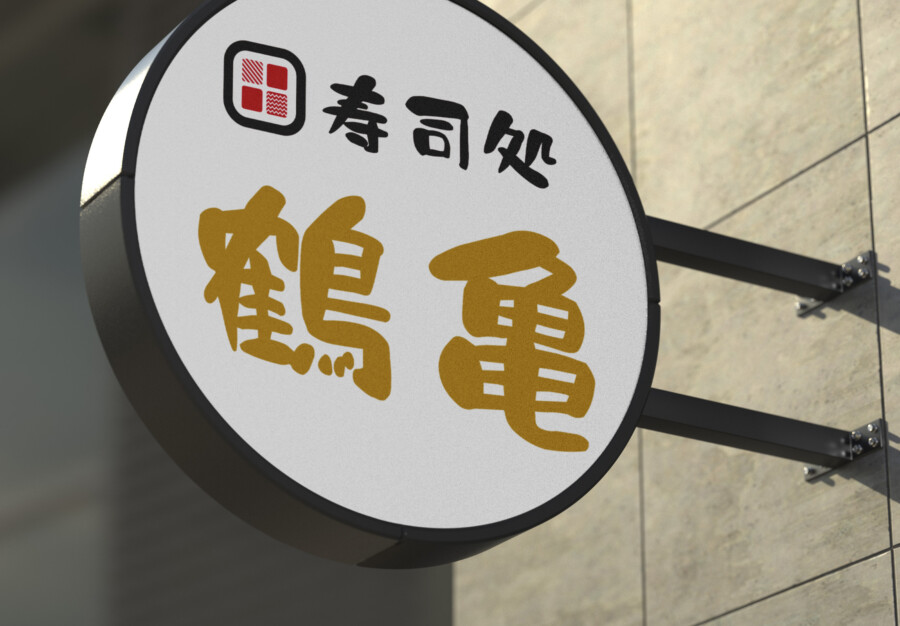
The round sign changes the level of formality
A projecting circular sign feels more contemporary and accessible than a heavy rectangular plaque. It also provides a clear frame for the emblem, category, and name when viewed from the street.
This is a conceptual logo design sample. The final restaurant name, symbol meaning, colors, and signage specifications would be confirmed for an actual project.
Icon, information, and name perform separate roles
Concept visualization
The emblem supports recognition at small sizes
International guests may not read the Japanese name, but they can remember the compact square and red accent. That icon can connect maps, reservation screens, menus, and physical signage.
The category text supplies direct information
Japanese readers can identify the business as a sushi restaurant from 寿司処. In bilingual applications, an English descriptor could be added without forcing it into the custom kanji forms.
Tsurukame carries a culturally specific auspicious name
Crane and turtle are associated with longevity and good fortune in Japanese tradition. The logo preserves that meaning for readers who know it, while its weight, spacing, and color still function visually for those who do not.
Production testing would cover illuminated signage, menus, noren, chopstick sleeves, tableware, delivery platforms, and social icons. Minimum-size and alternate-lockup rules would ensure that both the detailed name and the small emblem remain useful across the complete restaurant system. The red accent would also be specified carefully for print, light, and screen. Guidance would prevent the emblem from being mistaken for a decorative pattern.